
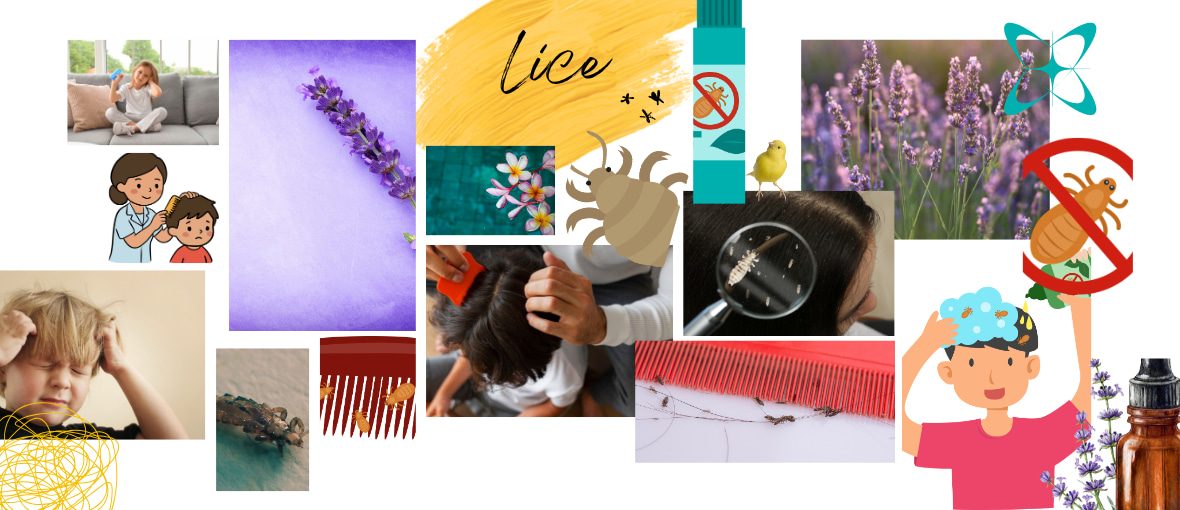
Head lice are getting harder to treat—but not impossible to beat. The secret is not stronger chemicals, but the right strategy: treat, comb, repeat, and clean the environment. Consistency wins the battle.
More and more parents are complaining to their pharmacist about how difficult it is to get rid of head lice in their children. These tiny insects are indeed becoming increasingly resistant to conventional lice treatments, and getting rid of them can sometimes be a real headache!
Introduction: Demystifying the “Nits” and the Itch
Technically known as pediculosis, head lice are defined by several specific biological traits:
- Size and Appearance: Adult lice are small, wingless, crawling insects (2–3 mm). They lack the anatomy to fly or hop.
- Primary Food Source: They are parasitic and must feed on human blood to survive.
- Symptoms: Infestations are often identified by intense itching, a distinct “tickling sensation” of something moving in the hair, and sores on the scalp caused by scratching.
They spread almost exclusively through direct head-to-head contact. While many worry about the family dog or cat, biology confirms that pets do not play a role in this cycle.
Diagnostic
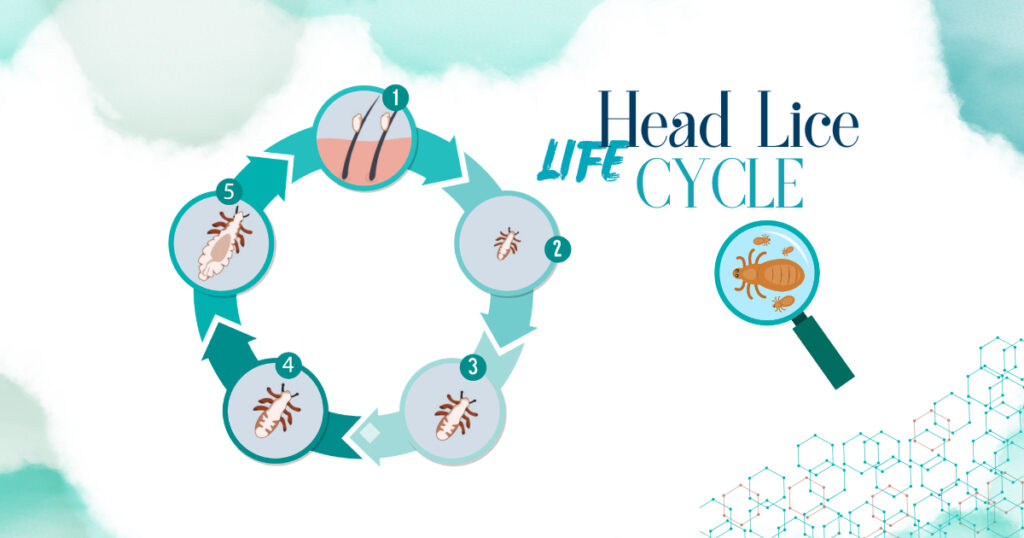
The diagnosis of head lice is based on the observation of at least one live louse in the hair. The presence of nits does not indicate an active head lice infestation
The Two-Pronged Eradication Strategy: Medicinal and Manual
Relying on a single treatment method often leads to frustration and failure. The professional gold standard for management is a combined approach: using medicinal agents to kill active lice while performing rigorous manual removal of nits (eggs).
Effective treatment options include:
Over-the-Counter (OTC) Pediculicides:
Permethrin 1% and Pyrethrins and Piperonyl Butoxide: were once popular but are no longer recommended because lice have developed resistance to them
Suffocating agents:
Dimethicone or coconut oil that work by suffocating the lice rather than using traditional insecticides.
Pro-Tip: Always plan for a second application 7–10 days after the initial treatment. This is necessary to eliminate any newly hatched nymphs that may have survived the first round as eggs.
Using a specialized metal, fine-toothed comb, is a must to manually remove eggs and lice from wet hair.
Environmental Management: Sanitizing the Home Space
| Item Type | Action Required |
| Bedding, Clothing, & Hats | Wash in hot water (60°C) and dry on a high-heat setting. |
| Hair Care Tools (Combs/Brushes) | Soak in hot, soapy water for 5–10 minutes. |
| Sofa Carpets, & Car Seats | Use a hair dryer (hot temperature) and vacuum to remove hairs with viable eggs. |
For items that cannot be washed, utilize the “Two-Week Rule.” While lice typically die within 1–2 days off a human host, sealing non-washable items in a plastic bag for 14 days provides a safety window. This ensures that any nymphs that might hatch from eggs on those items will perish without a food source.
You can also use Geraniol spray to treat the environment.
Proactive Prevention and Natural Defenses
The preventive use of lice treatments is not recommended. These products can cause side effects. Furthermore, the risk of resistance increases with the frequency of use
The best form of prevention remains regular checking of family members using a lice comb. Anyone found to be infested must be treated immediately. However, it is not necessary to treat other family members preventively (to avoid the risk of resistance and side effects).
Essential Oil Solutions: Natural oils can be powerful preventive tools. Scents like Tea Tree and Lavender are strong repellents that lice naturally avoid.
- Apply lavender essential oil near the ears and the neck
- Shampoo Additives: Add a few drops of tea tree oil directly to your regular shampoo bottle for a consistent defensive layer.
Behavioral Prevention Checklist:
- Avoid direct head-to-head contact during play and social activities.
- Do not share personal items such as hats, helmets, brushes, or headphones.
- Keep long hair tied back in braids or ponytails to minimize the contact surface.
- Conduct regular hair checks, especially during known community outbreaks.