


Sandfly management isn’t about avoiding the islands; it’s about mastering the basics of physical barriers and timing.
Cambodia’s archipelago, including Koh Rong, Koh Rong Sanloem, and Koh Ta Kiev, is renowned for its pristine ecosystems. However, the very isolation that makes these islands attractive also fosters significant populations of Phlebotominae, commonly known as sandflies.
For travelers and developers alike, understanding the behavior of these insects is essential for maintaining comfort and health during coastal excursions.
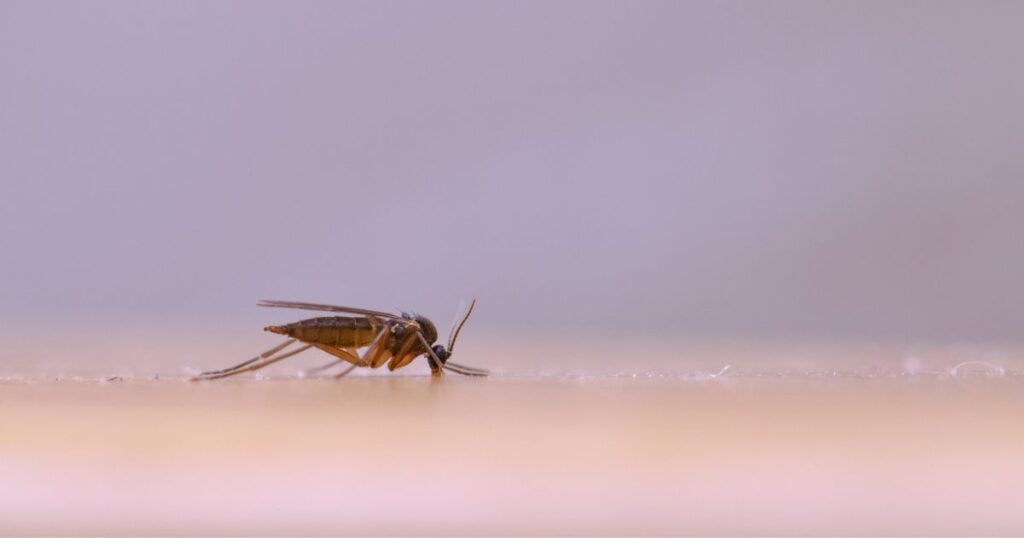
Ecology and Activity Patterns
Sandflies are distinct from mosquitoes in both biology and behavior. At approximately 2–3mm in length, they are nearly invisible to the naked eye. Unlike mosquitoes that pierce the skin, sandflies use specialized mouthparts to create small abrasions, which often results in a more intense inflammatory response.
- Habitat Density: Populations are densest on “untouched” beaches. Increased foot traffic and beach grooming in developed areas like Sihanoukville naturally disrupt their breeding cycles, making urban beaches less prone to infestations.
- Peak Risk Windows: They are most active during low-light hours (dawn and dusk) and on overcast days with minimal wind. Because they are weak fliers, even a light sea breeze can significantly reduce their ability to land.
The Delayed Symptomatic Response
One of the primary challenges for travelers is the delayed allergic reaction. Symptoms typically do not manifest until 24 to 48 hours after the initial encounter.
- The Reaction: Bites often present as small, red, itchy papules that can persist for several weeks.
- Secondary Infection: The primary risk in Cambodia is not the bite itself, but secondary bacterial infection caused by scratching. Utilizing topical antihistamines or local remedies like Tiger Balm can mitigate the urge to scratch.
Evidence-Based Prevention Strategies
While DEET-based repellents offer some protection, they are often less effective against sandflies than mosquitoes. Professional travelers and locals often employ a mechanical barrier approach:
- Topical Barriers: Applying coconut oil or similar oils creates a physical film on the skin. Because of the insect’s diminutive size, this barrier effectively prevents them from reaching the skin’s surface.
- Strategic Attire: Loose-fitting, long-sleeved linen or cotton clothing provides the best defense during peak activity hours. Covering the ankles and lower legs is particularly important, as sandflies generally stay close to the ground.
- Environmental Control: When stationary, positioned near fans or in areas with high air circulation is a highly effective, non-chemical deterrent.
Clinical Considerations
While the risk of Leishmaniasis (a parasite transmitted by sandflies) remains low in Cambodia, it is a recognized medical consideration in tropical medicine.
Consult a medical professional if:
- A bite develops into a persistent, painless ulcer or open sore.
- Lesions do not show signs of healing after two weeks.
- The area shows signs of acute bacterial infection (increased warmth, swelling, or pus).
Conclusion
Sandflies are an inherent part of the Gulf of Thailand’s tropical ecosystem. They should not deter travel to Cambodia’s islands, but they do require a proactive management strategy. By combining physical barriers with an understanding of their active hours, visitors can enjoy these destinations with minimal physical impact.