
“Natural ingredients have a long history, but informed choices make all the difference. Choose herbal supplements wisely and use them safely.”
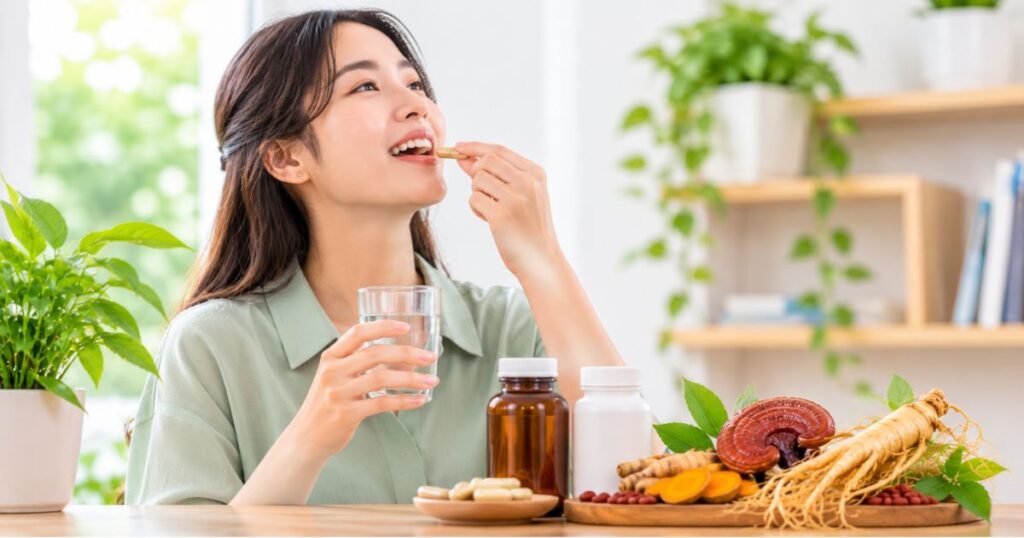
Traditional Chinese Medicine (TCM) has a long history of using plants and fungi to support health and well-being. Today, many of these ingredients are available as modern food supplements, including capsules, tablets, powders, and concentrated extracts.
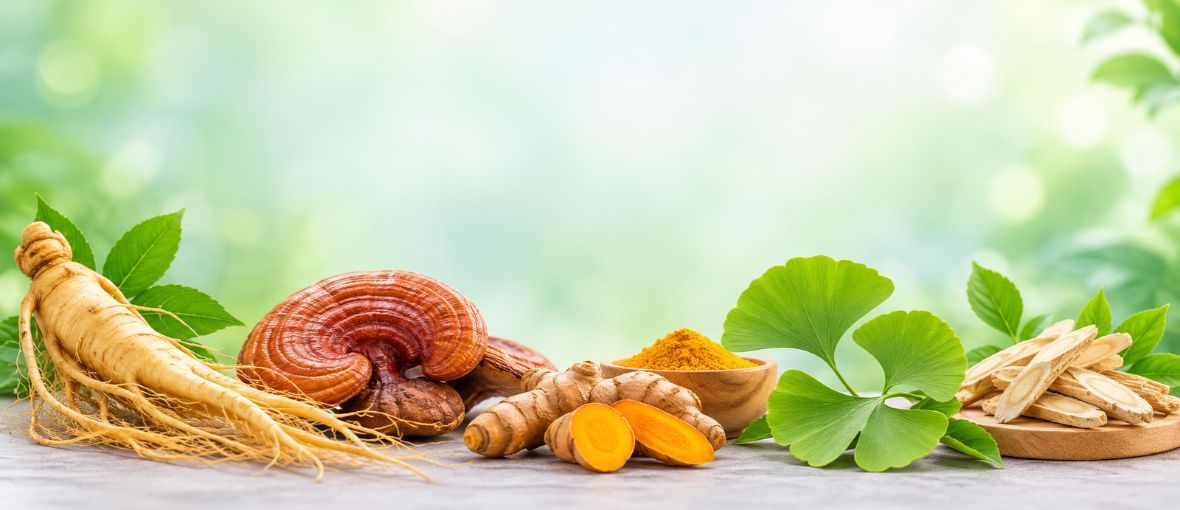
Ginseng, Reishi mushroom, Curcuma, Ginkgo biloba, and Astragalus are five ingredients associated with traditional Chinese herbal practices. They are often promoted for energy, cognitive health, immune support, and general wellness. However, their scientific evidence varies, and not all traditional uses have been confirmed by modern clinical research.
Understanding how these supplements are used, what research tells us, and how they may interact with medicines can help consumers make informed decisions.
1. Ginseng: Supporting Energy and Vitality
Ginseng (Panax ginseng), also known as Asian ginseng, is one of the best-known herbal ingredients used in Traditional Chinese Medicine. Its root contains active compounds called ginsenosides and has traditionally been used to support vitality, stamina, and general well-being.
Today, ginseng is commonly available in capsules, tablets, powders, and liquid extracts. It is often chosen by people looking to maintain their energy levels and manage everyday fatigue.
Scientific research suggests that Asian ginseng may provide modest benefits for some types of fatigue. However, studies have produced mixed results, and there is not enough consistent evidence to confirm all of its advertised benefits.
Although ginseng is generally well tolerated by many adults, it can cause insomnia, headaches, and digestive discomfort. It may also affect blood glucose levels and interact with certain medicines. People with diabetes or those taking regular medication should consult a pharmacist before using ginseng supplements.
2. Reishi Mushroom (Lingzhi): A Traditional Mushroom for General Wellness
Lingzhi, also known as reishi mushroom (Ganoderma lucidum), has been used in Traditional Chinese Medicine for centuries. It contains several biologically active compounds, including polysaccharides and triterpenes, which have attracted scientific interest.
Lingzhi is now available in various supplement forms, including capsules, powders, and concentrated extracts. It is commonly marketed for immune support, vitality, and general wellness.
Although laboratory studies have identified potentially interesting biological effects, strong clinical evidence supporting many of these health claims remains limited. Lingzhi should not be considered a proven treatment for infections, cancer, or other serious medical conditions.
Safety is also important when considering mushroom supplements. Lingzhi may cause nausea or digestive discomfort, and rare cases of liver injury have been reported. It may also increase bleeding risk, particularly in people taking anticoagulant medicines such as warfarin. Anyone taking regular medication should seek professional advice before using lingzhi.
3. Curcuma: Exploring Turmeric and Curcumin
Curcuma, commonly known as turmeric (Curcuma longa), is a yellow-orange rhizome used in cooking and several traditional medicine systems, including Chinese medicine. Its main compounds include curcuminoids, particularly curcumin, which has been widely studied for its biological activity.
While turmeric is familiar as a culinary ingredient, concentrated supplements provide different amounts of curcumin depending on their formulation. Some products also contain ingredients designed to increase its absorption.
Research has explored curcumin’s potential effects on inflammation and joint health. Some studies suggest that turmeric or curcumin supplements may help relieve symptoms of knee osteoarthritis, including pain and stiffness. However, more high-quality research is needed to establish their effectiveness, appropriate dosage, and long-term safety.
Turmeric supplements may cause acid reflux, nausea, or other digestive problems. In addition, some highly bioavailable curcumin formulations have been associated with liver injury. People with liver conditions should seek medical advice before using concentrated products, and anyone taking regular medication should ask a pharmacist about possible interactions.
4. Ginkgo Biloba: Understanding Its Role in Cognitive Health
Ginkgo biloba is a tree native to China whose leaves have a long history of use in traditional medicine. Today, standardized ginkgo leaf extracts are widely sold as dietary supplements and are often promoted for memory, concentration, and cognitive health.
Ginkgo leaves contain flavonoids and terpene lactones, compounds studied for their potential biological effects. Researchers have investigated whether ginkgo may help with certain symptoms associated with cognitive impairment.
However, evidence remains inconsistent. Ginkgo has not been conclusively shown to prevent dementia, and it does not reliably improve memory in healthy people. Results can also differ depending on the specific extract, dose, and condition being studied.
Ginkgo supplements may cause headaches, dizziness, and digestive discomfort. They can also increase bleeding risk, particularly when combined with anticoagulants or antiplatelet medicines. People taking these medicines should consult a healthcare professional before using ginkgo. Raw ginkgo seeds should not be eaten because they can be toxic.
5. Astragalus: A Traditional Root Used in Herbal Formulas
Astragalus (Astragalus membranaceus), known as Huang Qi in Chinese medicine, is a medicinal plant whose root has traditionally been used in herbal preparations intended to support vitality and general well-being.
Astragalus is available in capsules, powders, and extracts. Modern supplements often promote it for immune support and fatigue, while researchers continue to investigate its active compounds, including polysaccharides and saponins.
Although laboratory studies and some clinical research have explored astragalus, reliable evidence is insufficient to establish its effectiveness for most marketed health claims. It should not replace established treatment for infections or other medical conditions.
Astragalus may interact with medicines that suppress immune function, and its safety during pregnancy and breastfeeding has not been well established. People with autoimmune conditions or those taking regular medication should consult a healthcare professional before considering this supplement.
Choosing Herbal Supplements
Herbal supplements are often perceived as gentle because they come from natural sources. However, natural ingredients can still cause side effects, interact with medicines, or be unsuitable for certain individuals.
Product quality is another important consideration. The amount of active ingredients can vary between products, and contamination or incorrect ingredient identification may occur. Consumers should check product labels, manufacturers, expiry dates, and available quality information before purchasing supplements.
It is also important to look beyond marketing claims. A supplement promoted for immunity, memory, energy, or inflammation should not automatically be assumed to deliver those benefits. Scientific evidence, product formulation, and individual health circumstances all influence whether a supplement may be appropriate.
People who are pregnant or breastfeeding, have chronic health conditions, or take prescription medicines should consult a pharmacist or healthcare professional before starting an herbal supplement. Supplements should not replace prescribed medicines or delay necessary medical care.
Conclusion
Ginseng, lingzhi, curcuma, Ginkgo biloba, and astragalus illustrate the range of ingredients associated with Traditional Chinese Medicine that are now available in modern supplement products. Each has a distinct history of traditional use, and research continues to explore its potential effects on health.
Although some findings are promising, the evidence does not support every advertised benefit. Understanding the limitations of research, checking product quality, and considering possible medicine interactions are essential steps toward responsible supplement use.
FAQ
1. What are the five herbal supplements commonly associated with Traditional Chinese Medicine?
Five well-known herbal ingredients include ginseng, Reishi mushroom (Lingzhi), Curcuma (turmeric), Ginkgo biloba, and Astragalus. They are commonly available as capsules, tablets, powders, and extracts.
2. Can herbal supplements help improve immune function?
Some herbal supplements, such as Reishi mushroom and Astragalus, are traditionally used to support general wellness and immune health. However, scientific evidence supporting their effectiveness in humans remains limited, and they should not replace medical treatment or recommended vaccinations.
3. Are herbal supplements safe to take every day?
Not necessarily. Although many herbal supplements are generally well tolerated, they can cause side effects and interact with certain medicines. Their safety depends on the ingredient, dosage, product quality, and individual health condition. It is best to consult a pharmacist before taking them regularly.
4. Can herbal supplements interact with prescription medicines?
Yes. Some herbal supplements can affect how medicines work or increase the risk of side effects. For example, Ginkgo biloba and Reishi mushroom may increase bleeding risk, while ginseng may affect blood glucose levels. Always inform your pharmacist or healthcare professional about any supplements you are taking.
5. How can I choose a good-quality herbal supplement?
Choose products from reputable manufacturers and check the ingredient list, dosage, expiry date, and quality certifications where available. Avoid products making exaggerated health claims, and seek professional advice if you have a chronic condition, take regular medication, or are pregnant or breastfeeding.