
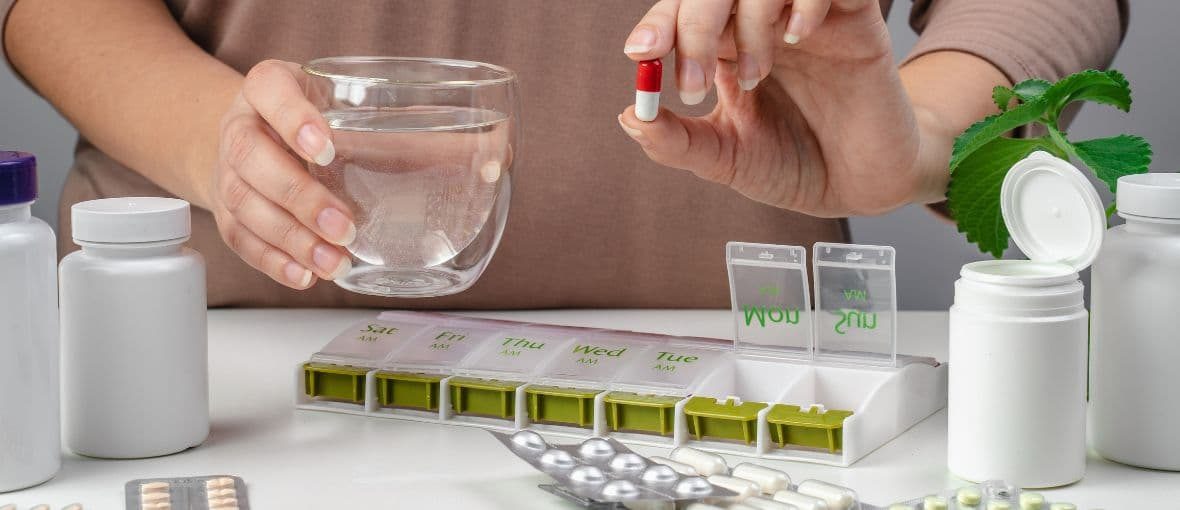
Medicines can protect your health—but only when used correctly. Always follow instructions and never guess, because even small mistakes can lead to serious harm.
Medicines are an important part of staying healthy. They help prevent illness, manage chronic conditions, and treat infections. But when medicines are used incorrectly, they may not work as expected—or worse, they can cause harm. Knowing how to use them safely is one of the simplest ways to protect your health and the people around you.
1. Take Medicines Exactly as Instructed
Always follow the advice given by your doctor or pharmacist. Pay attention to the dose, how often to take it, and how long you should continue the treatment.
Avoid changing the dose, continuing or stopping a medicine on your own, even if you start to feel better.
For example, antibiotics need to be completed to work properly. Stopping too early can cause the illness to return and may contribute to antimicrobial resistance, making future treatment more difficult.

2. Share Information About Everything You Take
Make sure your healthcare provider knows all the products you are using. This includes prescription medicines, over-the-counter drugs, vitamins, herbal products, and supplements.
Mixing certain products can lead to unwanted interactions or reduce how well your treatment works. Being open about what you take helps your doctor or pharmacist choose the safest and most effective option for you.
3. Never Share Your Medicines
It might seem harmless to give your medicine to someone with similar symptoms, but this can be risky. Medicines are prescribed based on individual factors like age, weight, and medical history.
What works for you may not be safe for someone else. Sharing medicines can also delay proper diagnosis and treatment.
4. Store Medicines the Right Way
How you store your medicines matters. Keeping them in the right conditions helps maintain their effectiveness and safety.
As a general rule:
- Store medicines in a cool, dry place
- Keep them away from direct sunlight and heat
- Always keep them out of reach of children
- Check expiration dates and avoid using expired products
Poor storage can cause medicines to lose their strength or become unsafe.
5. Take Care of Your Overall Health
Medicines are only one part of staying healthy. Your daily habits also play a big role in how well treatments work.
Simple steps can make a big difference:
- Eat a balanced diet
- Stay physically active
- Get enough sleep
- Manage stress in healthy ways
Using medicines responsibly is essential for achieving the best health outcomes. Always follow professional advice, stay informed about what you are taking, and never hesitate to ask your doctor or pharmacist if you have questions.
Safe medicine use not only protects you but also contributes to safer communities overall.